Healing Anxiety, PTSD, and Trauma
Integrative EMDR therapy in Asheville, NC (and online)

Hi, I’m Wills and I’m glad that you are here.
You’ve taken an important step. I invite you to check out the website and to reach out to schedule a free, low-stakes consultation to answer any questions see if we are a good fit for one another.

Therapy Services
Therapy for Anxiety and Depression
Move from feel anxious, heavy, and just surviving to thriving with therapeutic support tailored just for you. Learn more
Therapy for Trauma and PTSD
Heal from the effects of trauma and PTSD and reclaim the life you deserve. Learn more
Attachment-Focused Relational Therapy for Relational Distress
Heal the earliest of wounds and reclaim a life where you feel connected to others and good to be fully yourself. Learn more
Therapy for Auto-Accident Trauma and Shock Trauma
Therapy for car accidents or other overwhelming experiences that continue to echo in the body and nervous system, even long after the event. Learn more
Therapy offered: EMDR, Attachment Therapy, Acceptance and Commitment Therapy, Somatic-based therapy, good old-fashioned human support

Guiding Principles
True healing begins when we can access our own internal resources: states of inner safety, trust, and presence. In our work together, we’ll start by uncovering this foundation, your center, so that healing can naturally emerge from within.
Sometimes this involves exploring early patterns of connection - how we first learned to feel safe, relate to others, and make sense of our emotional world. When we work at this foundational level, healing can extend outward, touching every part of life - relationships, work, mood, and sense of self.
From this grounded place, we’ll move at a pace that feels right for you. Together, we’ll bring curiosity and care to the parts of your story that have been pushed aside or buried, bringing clarity and integration to what may have once felt overwhelming or stuck. This is about learning to live from a place of connection, strength, and meaning.
My approach is trauma-informed and grounded in attachment-based principles, utilizing evidenced-based practices such as EMDR and attachment therapy. I aim to create a respectful, steady space where you can do deep work without pressure or pretense. Depending on your needs, I integrate somatic, mindfulness-based, expressive, and cognitive therapy methods to support your process and your goals.
*if you are seeking therapy for sudden-event trauma, please refer to its dedicated page as the structure of that therapy is somewhat distinct, though many of the guiding principles remain the same.

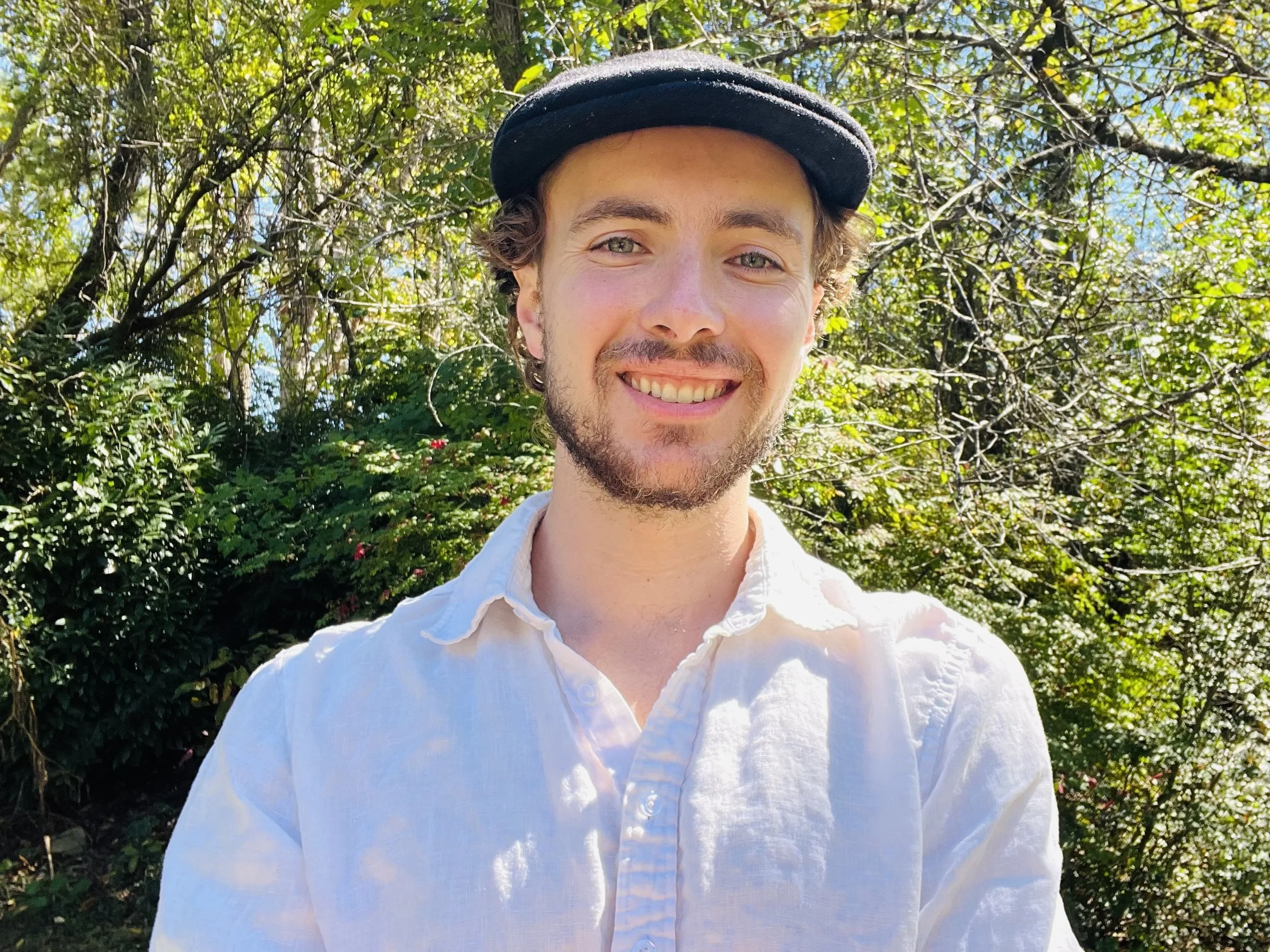
About Wills Reed, MS, LCMHCA
I'm a mental health counselor with a deep belief in our natural capacity to grow, heal, and reconnect: to ourselves, to others, and to what matters most.
I work with individuals with a curiosity to explore themselves and an openness to growth. In addition, I work with individuals recovering from sudden traumatic events, such as auto-accidents. Whether you’re feeling stuck, overwhelmed, disconnected, or just know something needs to shift, I offer a steady, supportive space where we can slow down, get clear, and do the work together.
Presence is at the heart of my practice, and I believe real change happens in relationship when we’re seen, respected, and given room to show up as we are. Therapy with me isn’t about fixing you, it’s about helping you reconnect to yourself and to others. It’s about becoming whole.
I hold a master’s degree in clinical mental health counseling from Prescott College and draw from my long-standing practices in meditation and martial arts. My work is shaped by a respect for the body, an appreciation and understanding of developmental psychology, and an integration of practical tools designed to help you reach your goals.
I live in Asheville, North Carolina with my fiancée. I grew up in these mountains, and they continue to ground and inspire me. Outside the therapy room, I spend time hiking, creating art, practicing martial arts, and kiteboarding (if I’m lucky).
Clinical areas of focus: EMDR, Integrative attachment therapy (Three Pillars Model of Attachment Therapy), body-based therapies, mindfulness-based therapy (Acceptance and Commitment Therapy “ACT”)
Education:
Masters in Clinical Mental Health Counseling - Prescott College
Bachelors in Business Management - Boston College
What Other Professionals Say